October 27, 2026
Asbestos Survey Before Renovation: A Plain-English Guide for Groveland Commercial Property Managers
By @homesafety026
If you manage commercial property in Groveland, you already juggle vendors, tenants, budgets, leaks, complaints, insurance questions, and the occasional surprise behind a wall or above a ceiling tile. Renovation adds another layer of pressure because the clock starts ticking the moment a space needs to be updated for a new tenant, repaired after damage, or brought back into service.
That is where an asbestos survey before renovation stops being a paperwork chore and starts looking like what it really is, a risk control step.
In Florida, asbestos work is regulated through licensure and abatement rules. The state requires licensed professionals and applicable work practices and notification rules for covered work. Florida’s asbestos rules are aimed at minimizing fiber release during demolition and renovation, especially in commercial, public, and residential buildings. For a property manager, that means the question is not whether asbestos is an abstract health topic. The real question is whether your project can move forward safely and legally, without creating avoidable delays, cost spikes, or exposure concerns.
In Central Florida, this often intersects with other building headaches. A tenant improvement project may uncover old materials. A roof leak may trigger a property manager water damage response. A unit that sat vacant through a humid summer may need dehumidification and air scrubbers after moisture intrusion. A storm event during hurricane season preparation Florida managers are already thinking about can turn a simple renovation into a more complicated restoration job.
These issues overlap in the field. The best managers understand that asbestos, water, mold, and indoor air quality Florida concerns rarely show up one at a time.
What an asbestos survey before renovation actually does
A plain-English version is simple. Before renovation starts, the building needs to be checked so you know whether asbestos is present in areas the work could disturb. The purpose is to avoid tearing, drilling, sanding, cutting, or removing materials blindly.
That matters because renovation is exactly when hidden problems become active problems. A wall that has sat untouched for years can become a hazard once crews open it. Flooring that looked harmless during leasing can become a project stopper the moment demolition begins. At that point, every trade on site is affected. Schedules slip. Occupants ask questions. Contractors point fingers. Costs rise for labor, cleanup, and downtime.
A proper asbestos survey before renovation gives you a basis for decision-making before the mess starts. It helps answer practical questions such as whether the work area can proceed as planned, whether licensed asbestos professionals need to be involved, whether sequencing should change, and how to communicate with ownership and tenants in a calm, factual way.
That advance clarity is worth more than most managers realize, especially on occupied commercial properties where every extra day of uncertainty affects someone’s business.
Why Groveland and greater Lake County managers should take this seriously
Groveland sits in the same Central Florida climate pattern every local manager knows well, heavy humidity, routine storms, and long stretches where buildings stay sealed up with air conditioning doing most of the comfort work. That climate affects renovation planning more than people expect.
Older buildings and long-held commercial spaces often carry a history that is not fully documented. A property may have gone through several owners, multiple buildouts, piecemeal repairs, and tenant-driven modifications. Paper records disappear. Scope descriptions get vague. Somebody says, https://propertycare079.urbanvellum.com/posts/choosing-emergency-restoration-services-what-homeowners-should-clarify-before-work-begins “We renovated that suite years ago,” but nobody can tell you exactly what was removed and what was left behind.
This is also why a home inspection older homes Florida mindset has some value, even in commercial settings. The lesson is not that residential and commercial projects are the same. They are not. The lesson is that age, incomplete records, and repeated repairs create uncertainty. Uncertainty is what surveys are for.
In Lake County and nearby areas like Clermont, Minneola, Mascotte, Howey-in-the-Hills, Mount Dora, and Leesburg, weather adds another wrinkle. Afternoon storms, roof leaks, and moisture intrusion can complicate already planned renovations. If a project starts as a cosmetic refresh but hidden water damage is discovered, the job can quickly involve a water damage checklist, drying strategy, indoor air quality concerns, and questions about whether there is mold growth that needs professional attention.
The property manager who gets ahead of those moving parts usually spends less money than the one who treats each discovery as a separate emergency.
The mistake that costs the most
The most expensive sentence on many renovation jobs is, “Let’s just open it up and see what’s there.”
That approach sounds practical. It rarely is.
Once materials are disturbed, your options shrink. What could have been a controlled pre-project evaluation becomes an active site problem. Contractors may have to stop. Occupants may need reassurance. Ownership may demand updates before you have answers. And if the disturbance happens in an area with moisture issues, the conversation can jump from asbestos to mold, debris control, odor, and temporary containment all at once.
I have seen managers try to save a little time at the front end and lose weeks in the middle of the job. The schedule damage is often worse than the direct cleanup cost because one delay affects every trade that was supposed to follow.
What Florida’s rules mean in practical terms
You do not need to become an asbestos law expert to manage this responsibly, but you do need to know the broad guardrails.
Florida regulates asbestos work through licensure and abatement rules. Licensed asbestos businesses must be qualified by a licensed asbestos contractor or consultant, and the state requires licensed professionals to follow applicable work practices and notification rules. Florida also notes that some single-family homes and small residential buildings may be exempt depending on the project, but commercial property managers should be very careful about assuming an exemption applies. Commercial renovation should be approached with the expectation that regulated requirements may apply.
The practical takeaway is straightforward. If asbestos-related work is part of the conversation, use properly licensed professionals. Do not rely on a general contractor’s casual opinion, an old maintenance note, or a tenant’s recollection of what was remodeled years ago.
That is not red tape for the sake of red tape. It is how projects avoid fiber release, regulatory problems, and liability that spreads well beyond one suite or one floor.
How asbestos concerns often intersect with water and mold problems
Commercial properties rarely present one clean issue at a time. A manager may plan a renovation because of age or tenant turnover, then discover staining, musty odor, or deteriorated finishes once the space is opened.

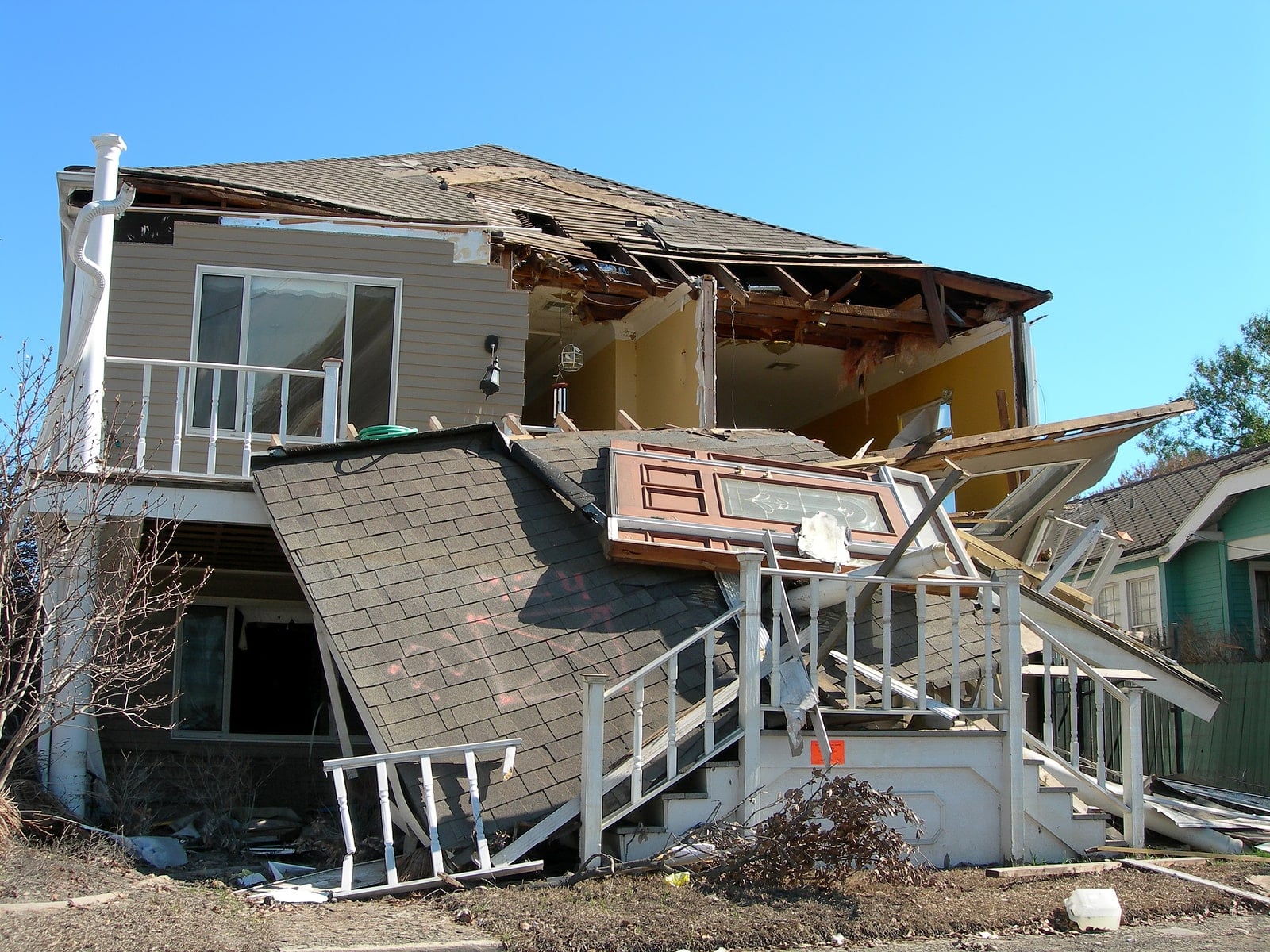
This is where people get tripped up by mold myths. One of the biggest myths is that the first move is always testing. Florida health guidance says otherwise. The Florida Department of Health advises looking for signs of moisture or water damage and does not recommend mold testing or sampling as the first step. That is a useful reset for managers because it keeps attention on the thing that usually matters most, finding and correcting the moisture source.
If you are dealing with a property manager water damage event before or during renovation, the sequence matters. Stop the intrusion if possible. Assess affected areas. Dry promptly. Then evaluate what materials and conditions remain. If contamination or damage is broader, commercial mold remediation may become part of the scope. If odors linger after a fire-related event, smoke odor removal may also become part of restoring the space to usable condition.
These are not interchangeable services, which is why the phrase mitigation vs remediation is worth understanding. In plain terms, mitigation is about limiting further harm and stabilizing conditions. Remediation is about addressing the damaged or contaminated materials and restoring the affected area more fully. On a real project, both can be necessary, but they are not the same job.
The humidity factor nobody in Florida can ignore
Florida managers do not need a lecture about humidity. They live with it every summer. What is easy to underestimate is how fast indoor conditions can shift once renovation begins.
Open walls, intermittent HVAC operation, after-hours shutdowns, roof penetrations, and contractor traffic can all change moisture conditions inside a building. If water intrudes or humidity climbs during a project, drying becomes part of job control, not a side issue. That is where dehumidification and air scrubbers may come into the conversation.
Those tools are helpful in the right situation, but they are not magic. Dehumidification helps pull moisture out of the air and support drying. Air scrubbers can help improve air quality during certain cleanup or containment conditions. Neither one substitutes for identifying the cause of moisture, nor do they erase the need for proper evaluation when asbestos or mold concerns are present.
I have watched teams waste days running equipment in a building while the source problem remained untouched. Equipment should support a plan, not replace one.
A renovation scenario that feels very familiar
Picture a small commercial suite in Groveland that is being refreshed for a new tenant. The scope sounds easy at first, repainting, replacing flooring, opening one partition wall, and updating a break area. Two days before demolition, the owner asks whether an asbestos survey before renovation is really necessary because the schedule is already tight.
Then a summer storm hits. Water gets in around a roof area that had “been fine for years.” Now there is stained ceiling tile, damp insulation, and a stale odor the leasing agent swears was not there last week. The flooring crew wants to push ahead. The owner wants a firm opening date. The incoming tenant wants reassurance about indoor air quality Florida issues because their staff has allergy concerns.
This is exactly the moment when discipline pays off.
Without a survey, opening the wall is a gamble. Without a moisture-focused assessment, the musty smell becomes everybody’s favorite guessing game. One person blames mold, another blames old carpet, another says just run fans overnight. Meanwhile, no one is solving the actual decision path.
A better response is measured and boring, which is often what good property management looks like. Verify the renovation-related asbestos question through the proper channel. Address the moisture intrusion and drying needs. Determine whether materials can be saved or need removal. Keep communication factual. Then restart work with fewer unknowns.
That approach rarely feels fast in the first 24 hours, but it is usually much faster by the end of the week.
Questions to settle before work begins
If you want one habit that improves project outcomes, it is this: get the right questions answered before the first tool hits the building.
- What exact areas and materials will the renovation disturb?
- Has the property had prior renovations, leaks, or undocumented repairs in those same areas?
- Do you need a licensed asbestos professional involved before demolition or invasive work starts?
- Is there any visible moisture, staining, odor, or recent property manager water damage history that could affect the scope?
- If conditions change mid-project, who has authority to pause work and call in the appropriate specialist?
That short conversation can save a remarkable amount of money. It also sharpens vendor accountability because everyone knows what is being checked, why it matters, and who makes the call if conditions shift.
A practical water damage checklist for renovation season
Because so many renovation headaches in Florida are moisture-related, it helps to keep a simple water damage checklist in mind. This is not a substitute for professional assessment. It is a manager’s field tool for early action.
- Identify where the water came from, or where it is most likely entering.
- Document visible damage with photos and note affected rooms, materials, and odors.
- Protect occupants and pause work in areas where conditions may be unsafe or uncertain.
- Start drying and stabilization quickly, which may include dehumidification and air scrubbers when appropriate.
- Reassess the renovation scope once the moisture issue is understood, rather than forcing the original plan to continue unchanged.
Managers who do this well tend to reduce secondary damage. They also have a cleaner record for ownership, insurers, and tenants.
Choosing the right kind of help
Not every contractor is the right contractor for every problem. That sounds obvious, yet many commercial projects go sideways because one vendor is asked to comment outside their lane.
An asbestos question should go to the properly licensed asbestos side of the industry. A moisture problem should be evaluated with moisture as the lead issue, not just odor or appearance. If mold is suspected, the first question is usually where the water came from and whether materials stayed wet long enough to support growth, not whether somebody can produce a dramatic test result. The Florida Department of Health’s guidance is useful here because it pushes attention back to moisture and water damage first.
When restoration issues enter the picture, training and certification matter too. The IICRC is a certification organization for cleaning, inspection, and restoration fields, including areas such as Applied Microbial Remediation Technician, Applied Structural Drying Technician, and Building Moisture Inspection. Certification alone does not guarantee judgment, but it is a useful signal that a company takes technical training seriously.
For managers in and around Groveland, local responsiveness matters as much as credentials. A company based in the area and serving Lake, Orange, Seminole, and Osceola counties may have a better feel for how quickly afternoon storms, HVAC strain, and seasonal humidity can shift conditions on a property. If you ever need 24/7 emergency cleanup Lake County service after a storm or sudden leak, local reach can make a practical difference.
Hurricane season changes the timing of everything
Florida’s official hurricane season runs from June 1 through November 30, and NOAA says preparation should begin before the season starts. For property managers, that is not just a weather note. It should affect renovation timing, contractor coordination, and contingency planning.
If you know a project involves opening the building envelope, exposing interior materials, or staging materials outdoors, hurricane season preparation Florida planning becomes part of risk management. A delay that would be minor in a drier climate can become expensive fast when heavy rain and high humidity are part of the normal pattern.
The smart move is not to avoid all renovation during hurricane season. Plenty of projects move forward successfully. The smart move is to plan for disruptions honestly. Ask what happens if the building takes on water midway through demolition. Ask who handles emergency stabilization. Ask how fast drying equipment can be mobilized. Ask whether the project team knows the difference between mitigation vs remediation so the first call after a weather event is not a confused one.
Those questions feel dull until the first storm warning appears. Then they feel like foresight.
Talking to owners and tenants without causing panic
One underappreciated part of this job is communication. Owners want cost control. Tenants want safety and speed. Contractors want access and decisions. The manager is often the translator.
With asbestos concerns, the best tone is calm and specific. You do not need dramatic language. You need plain language. Say that renovation can disturb hidden materials, Florida regulates asbestos work, and the property is being evaluated appropriately before intrusive work proceeds. That lands better than either minimizing the issue or sounding alarmist.
The same goes for mold myths and water events. If there is moisture intrusion, say so. If drying is underway, explain what is being done and why. If a musty odor is present, do not pretend it is nothing. At the same time, do not leap straight to scary conclusions when the moisture source has not even been confirmed.
People handle uncertainty better when they can see a process.
The real value of doing this early
Managers sometimes ask whether an asbestos survey before renovation is worth it on a small or moderate project. My view is that the value is often highest on jobs that look simple.
Large jobs usually attract more scrutiny from day one. Small jobs are where people are tempted to skip steps. That is where avoidable surprises breed. A modest tenant improvement can become a tangled project if someone uncovers suspect material, moisture damage, or odor after work has already started.
Early evaluation does not eliminate every surprise. Old buildings will still surprise you. Weather will still interrupt you. Tenants will still want things faster than the building can reasonably deliver them. But early evaluation changes the kind of surprises you face. It turns some emergencies into decisions, and decisions are much easier to manage.
For Groveland commercial property managers, that is the whole point. You are not trying to win a prize for perfect prediction. You are trying to reduce preventable risk, keep people safe, and move projects forward with fewer expensive detours.
An asbestos survey before renovation is one of those steps that feels quieter than demolition, drying, or rebuilding. Quiet steps are often the ones that keep the loud problems from starting.
❧